What Is Modular Furniture? A Guide to Configurations and Compatibility
Start with what you need today, then consider what might change. This guide explains furniture modules, supported configurations, and the questions to ask before choosing a system.
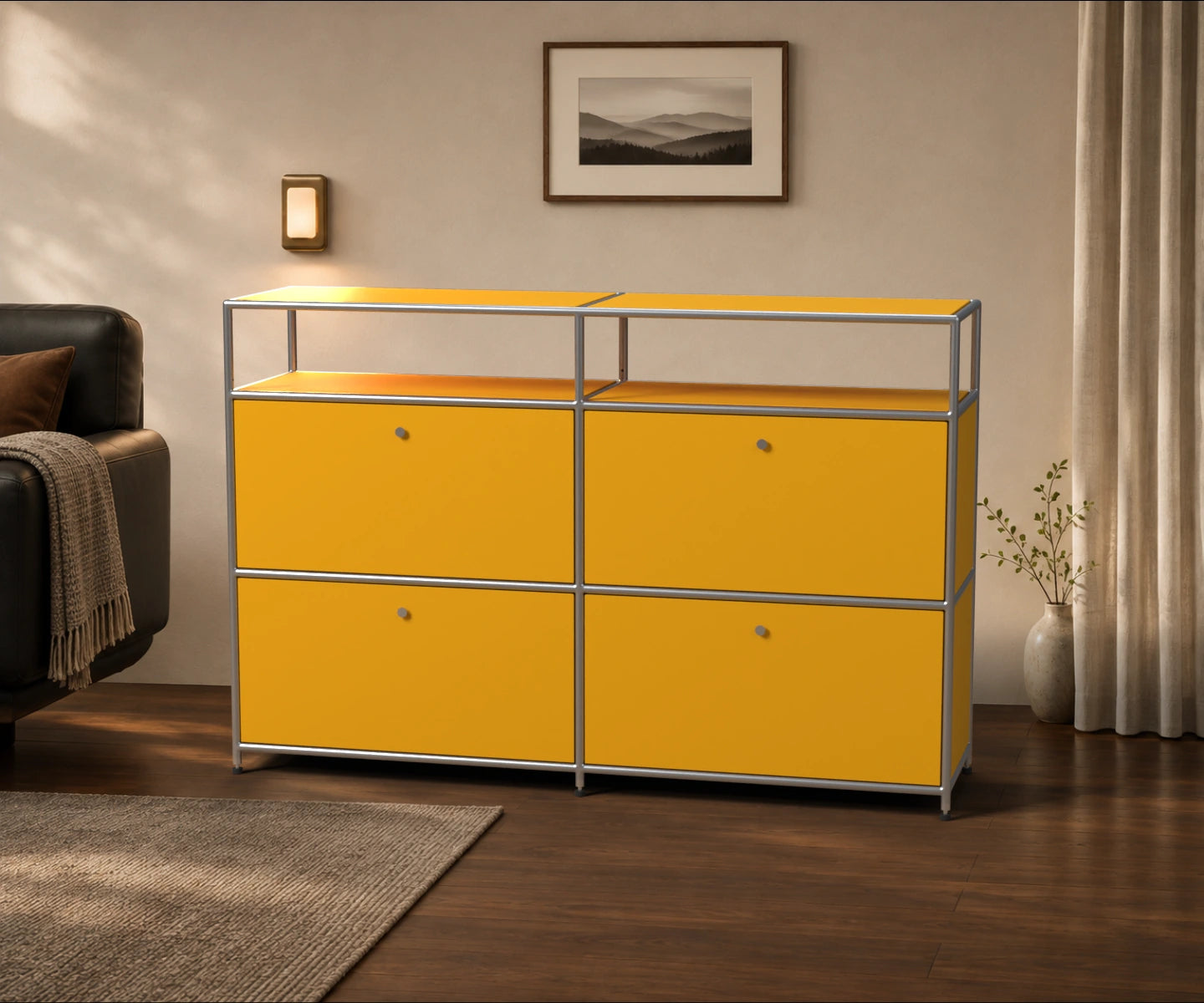
Cover image: AI-generated scene illustration.
Modular furniture uses units or components with defined specifications that can form different configurations within a system. You can choose among supported layouts, and some systems also allow additions, separation, replacement, or reconfiguration later. What you can change depends on the product’s construction, compatibility, and instructions.
When you first move into a home, you might need just one place for books. Over time, the collection grows, and the arrangement of the room may change with it.
Modular furniture offers one way to approach that change: start with a configuration that works today, then consider whether the units or components you already have can take part in a later arrangement.
At Foundation Living, we care about the choices people retain after furniture enters their homes. Understanding those choices starts with the modules themselves.
1. What is a furniture module?
A module can be a complete unit designed to work within a larger arrangement, or a component with a defined role in a furniture system.
In a modular sofa, units might include seats, corners, or chaise sections. Different sections form layouts within the system’s design rules. You can see this approach in IKEA’s modular sofa range.
A cabinet system may begin with components such as frames, panels, and connectors that form different storage configurations. For example, USM describes standardized components as the basis for adding to and reconfiguring its system. USM’s explanation of modularity illustrates this approach.
These are examples of different systems. For any particular product, ask what counts as a module, which parts work together, and which configurations are supported.
A similar appearance, matching colors, or the ability to place pieces side by side does not establish structural compatibility.
What counts as a module?
Generic system concepts • no cross-system compatibility implied
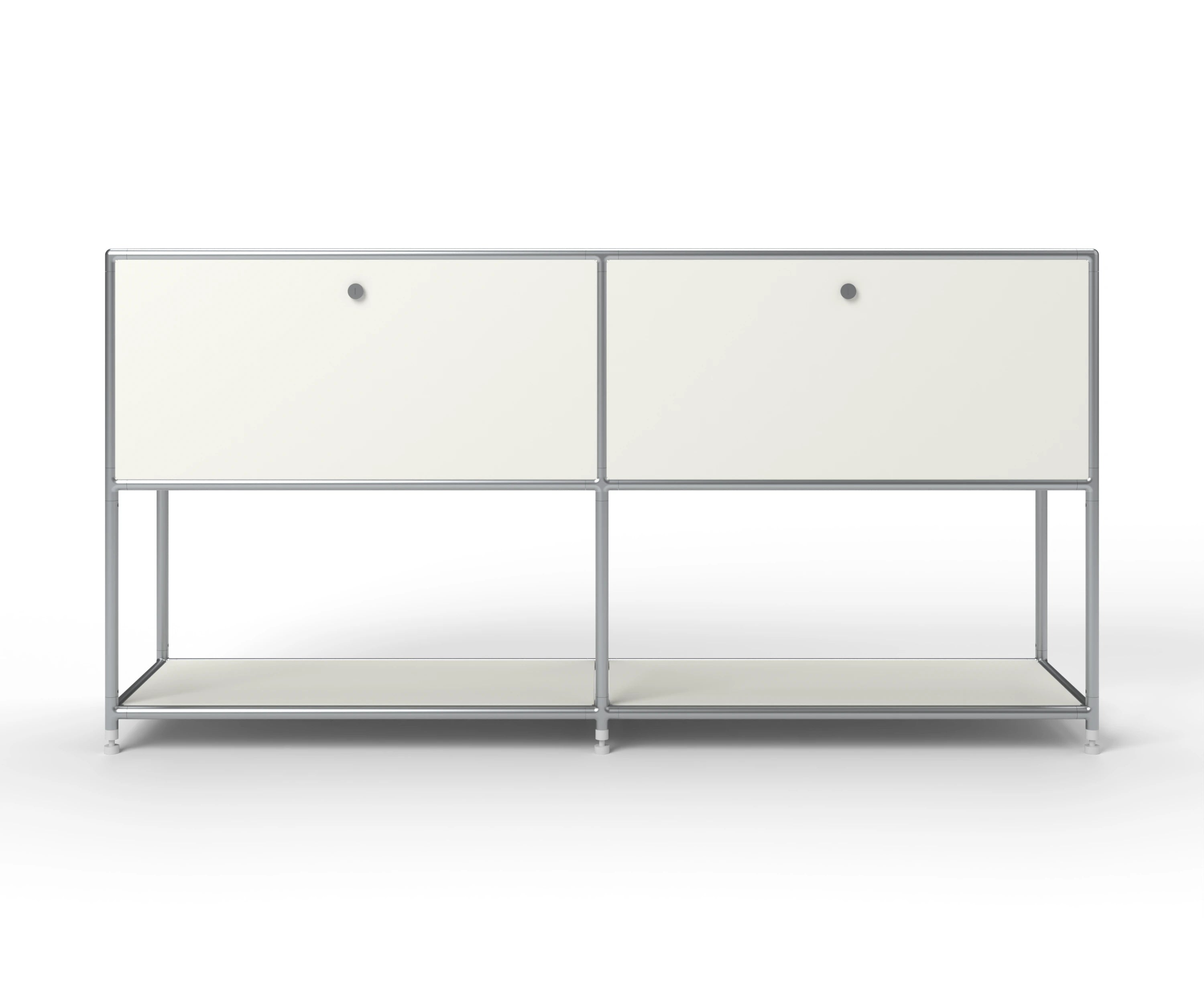
- Complete units: seats and corners
- Components: frame and panels
- Check the defined connections
- Confirm supported configurations
2. How is modular furniture different from flat-pack furniture?
Flat-pack furniture describes a way of packaging furniture for assembly. Modular furniture describes how units or components can form different configurations. A product can have both characteristics.
A table that arrives in separate parts may have only one intended assembled form. Its assembly method can help with shipping without providing a way to add another section or change its layout.
For modular furniture, the next questions concern configuration: which units can be selected, how they can be arranged, and whether changes are possible after purchase.
It helps to check related features separately.
| Product feature | What to confirm |
|---|---|
| Assembly and disassembly | How far it can be taken apart, whether repeated disassembly is supported, and which tools are needed |
| Configurable units | Which units work together, which layouts are allowed, and whether connectors are required |
| Expansion | What can be added, plus the dimensions, load limits, and anchoring requirements of the new configuration |
| Replaceable components | Which parts are sold separately and whether replacement requires professional service |
The word “modular” alone does not confirm every feature in this table.
Assembly is not reconfiguration
Generic comparison • not product assembly instructions
- One intended assembled form
- Defined alternative configurations
- Supported units and connectors
- Installation requirements
3. How can modular furniture respond to changing needs?
Consider specific changes: whether storage can expand, whether a different layout can suit another space, and whether individual components can be serviced or replaced.
When you need more storage
If a system supports additional units, you can compare expansion options as your collection of books, records, or everyday belongings grows.
Adding height or width may require new frames, connectors, or anchoring measures. Confirm which existing components can remain in the proposed configuration.
When you move or rearrange a room
A different wall width, doorway, or walkway may make the original layout less suitable.
If the system supports separation or reconfiguration, check whether the units you own can form a layout for the new location. The revised arrangement needs its own check for dimensions, stability, and use requirements.
When a component needs attention
If individual components can be replaced, ask about availability, cost, and the work involved.
A part that appears removable is not necessarily intended for user replacement. Follow the product instructions and confirm which tasks require professional service.
You don’t need to make every possible change at the first purchase. Start with what works now, then consider which future options matter to you.
4. What should you ask before buying modular furniture?
Describe the change you want to make. A specific request is more useful than asking only whether a piece is modular.
Bring your room measurements and storage needs to the conversation.
| What you want to know | What to ask |
|---|---|
| What you are buying now | Which units, components, and accessories are included? |
| What can change | Are there confirmed configuration drawings or adjustment instructions? |
| What can stay in use | Which existing parts remain, and which new parts are needed for another layout? |
| Whether an expanded layout will work | What are its dimensions, load limits, stability requirements, and anchoring instructions? |
| Who makes the changes | Can the owner do the work, and which tools or services are required? |
| How to obtain parts later | Are parts sold separately, which versions are compatible, and what is currently available? |
Ask for a parts list and complete cost for the change you have in mind.
“I’d like to add another row of books” gives a clearer starting point than “Can I expand it however I want?” Likewise, “I’d like to separate it into two pieces after moving” can be checked against a particular configuration.
Plan a supported change
Worksheet • not a kit or compatibility promise
- Current configuration
- Parts you would retain
- Additional components needed
- Installer and operating conditions
5. Is modular furniture right for you?
First, check whether the current configuration suits your home. Then consider whether the supported changes are worth the investment.
Dimensions, storage layout, and everyday use still come first. The piece needs to fit, your belongings need to be accessible, and the price needs to work within your budget.
Next, consider changes you are reasonably likely to make.
If you often rearrange rooms, have a growing collection, or already know you will need more storage, look closely at the system’s capabilities.
If your space and needs are stable, a complete configuration may be all you want. You don’t need to plan a series of changes to choose modular furniture.
When comparing costs, include any relevant accessories, shipping, installation, and reconfiguration services alongside the initial purchase price. Decide which options are worth keeping open for your own circumstances.
6. How Foundation Living approaches modular furniture
For Foundation Living, modularity is a product direction intended to give people a part in arranging their furniture. It needs clear construction, connection rules, and verified configurations to support it.
We want to leave room for choices: which sections stay open, which belongings sit behind a door, how a configuration fits into a room, and whether existing components can remain useful as needs change.
Our connectors and modular system are still in development and testing. Configurations, compatibility, load limits, and assembly conditions need to be confirmed before those capabilities are offered. For currently available configurations and confirmed functions, refer to the individual product information.
We also want to make room for people who prefer to choose a complete piece, with a clear understanding of what it includes.
Participation can take different forms. You can begin with what you need today and decide later whether a supported change makes sense.
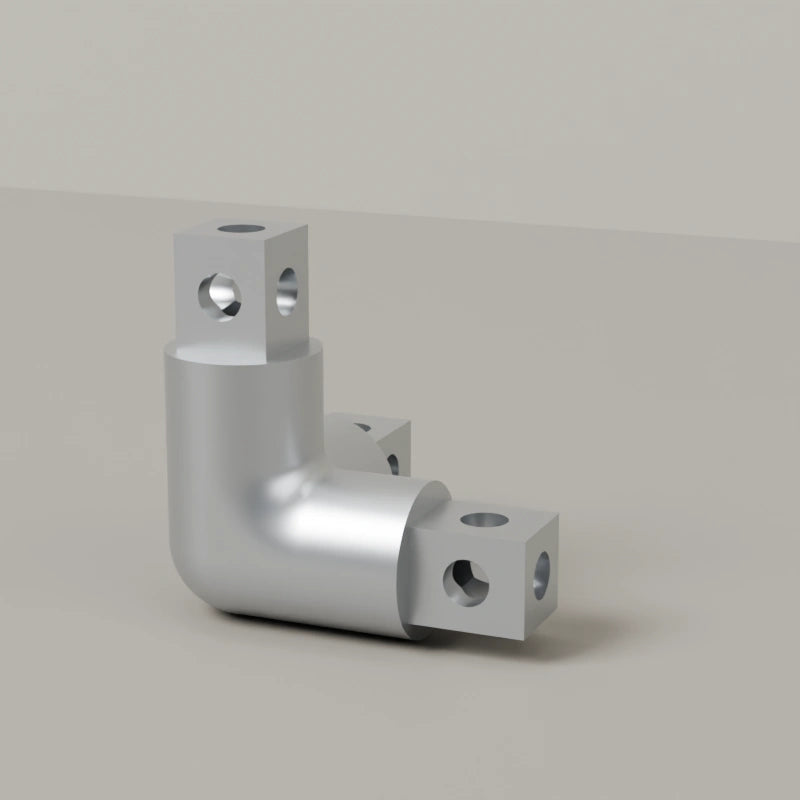
Connector details
A closer look at the corner, joints and surface finish.
Frequently asked questions
Can modular furniture be stacked or used however I want?
Follow the configurations supported by the system. Adding height, changing how weight is supported, or introducing another use may affect stability, load limits, and anchoring requirements. Parts fitting together does not by itself establish that an arrangement is suitable.
Can modules from different brands work together?
Look for explicit compatibility information. Similar dimensions, appearance, or materials do not establish matching connections or load conditions. Check compatibility between different collections or versions from the same brand, too.
Is modular furniture always less expensive?
It depends on what you buy and how you use it. Keeping existing components in a revised layout may reduce some replacement purchases, while accessories, shipping, and services can add costs. Compare the complete options relevant to your plans.
Can I choose modular furniture if I don’t want to assemble it myself?
Look for products offered in complete configurations or with installation services. Confirm who handles initial assembly and any later changes before buying. Taking part in the design can begin with choosing a layout that suits you.
At Foundation Living, we want to make configuration rules and use requirements clear so your choices have a reliable basis.
Start by making room for what you have today. Future arrangements can take shape as life continues.
Learn about Foundation Living’s design approach and explore current product dimensions, layouts, and confirmed features.
Check a current module and a cabinet configuration
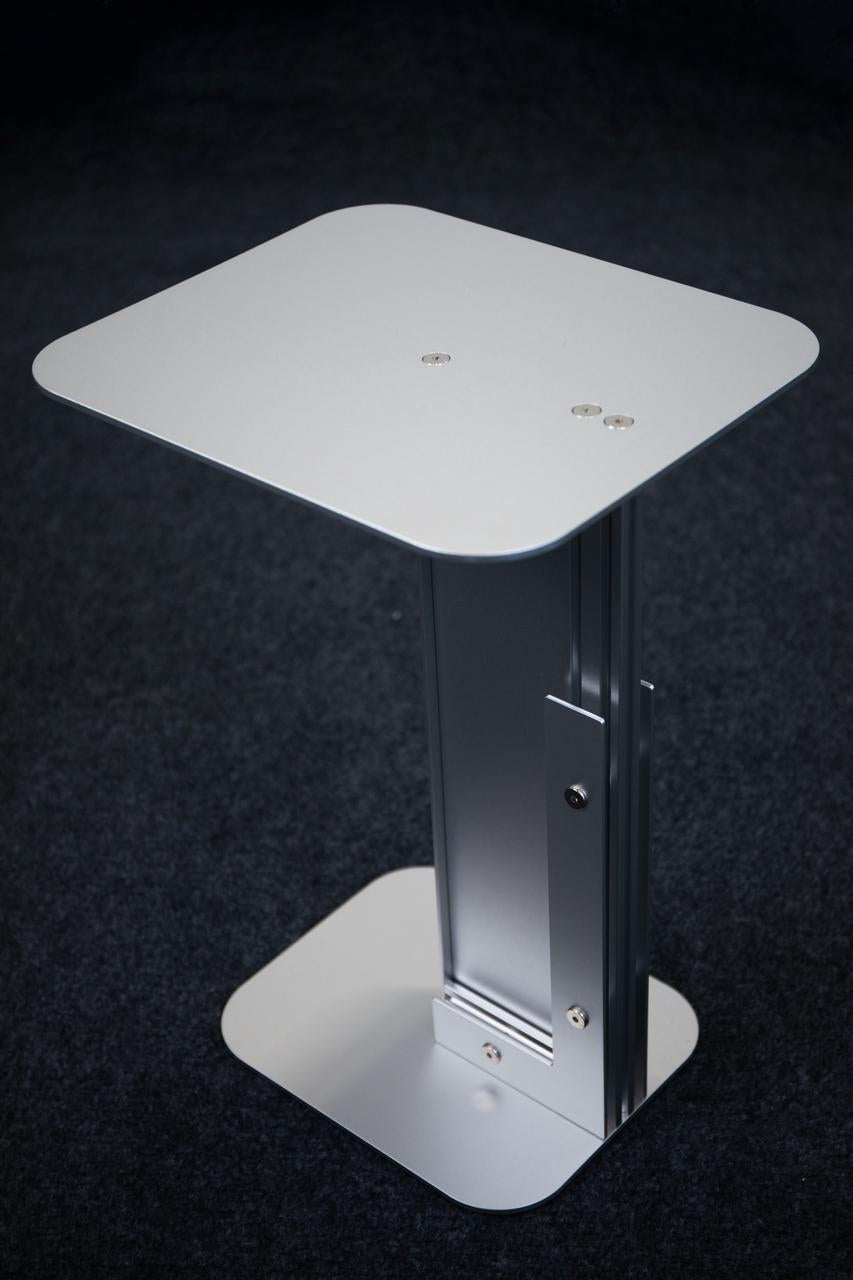
The Stackable Modular Shelf is a magnetic storage module with quantity choices stated on its product page. The Black Sideboard with Four Doors and Open Upper Shelf is a separate round-frame cabinet configuration. Do not assume the two connect to one another, or that a purchased cabinet can be expanded without a verified parts and assembly plan.
For choosing between visible and enclosed belongings, read open shelves vs. closed cabinets.