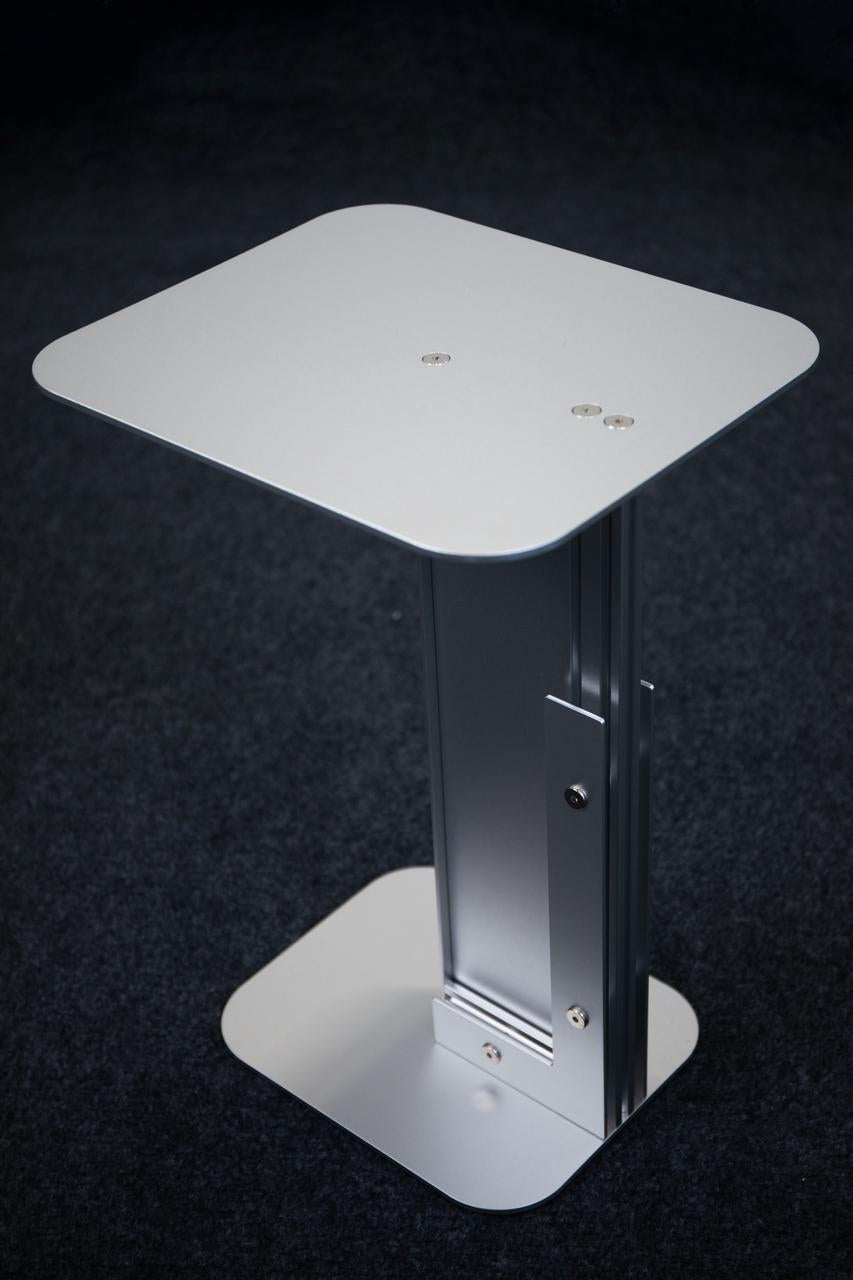
Metal vs. Wood Storage Cabinets: How to Choose for Your Home
Start with the materials and finishes, then consider daily use. This guide helps you compare metal and wood cabinets through construction, care, storage needs, and personal preferences.

Cover image: AI-generated scene illustration.
When choosing between metal and wood storage cabinets, start with the appearance you enjoy, then compare the specific materials, finishes, construction, and care requirements. For metal cabinets, check the metals and surface treatments used. For wood cabinets, distinguish solid wood, veneer, and the underlying construction. Durability, load capacity, and ease of cleaning need to be checked at the product level.
This guide focuses on freestanding storage cabinets for dining rooms, living rooms, and bedrooms.
You might enjoy the way wood grain changes in the light, or prefer a solid color and a clearly defined metal frame. Those preferences are a useful place to begin.
At Foundation Living, we bring our own design choices into furniture and want you to have enough information to decide whether a piece belongs in your home. Materials are part of that decision, alongside how you plan to use it.
1. Start with the material details
“Metal cabinet” and “wood cabinet” are broad descriptions. Check what each part of the piece is made from.
A metal cabinet may use different materials for its panels, frame, connectors, and hardware. Steel and aluminum are different materials, and surfaces may be powder-coated, plated, or treated in other ways.
Wood cabinets also need a closer look. The top, doors, side panels, and back may use different constructions. A visible wood grain does not establish that the whole cabinet is solid wood.
Ask about these details first:
| What to examine | What to find out |
|---|---|
| Top, doors, and side panels | The base material used for each |
| Frame and connections | How the parts connect and which materials are involved |
| Wood-grain surfaces | Whether the surface is solid wood, wood veneer, or another finish |
| Surface treatment | The finish and its use and care requirements |
| Hardware and moving parts | How doors, drawers, and shelves function |
Specific descriptions make it easier to understand what you are comparing. A material category alone won’t explain the performance of the complete piece.
Check every component
Materials are verified separately • no composition assumed
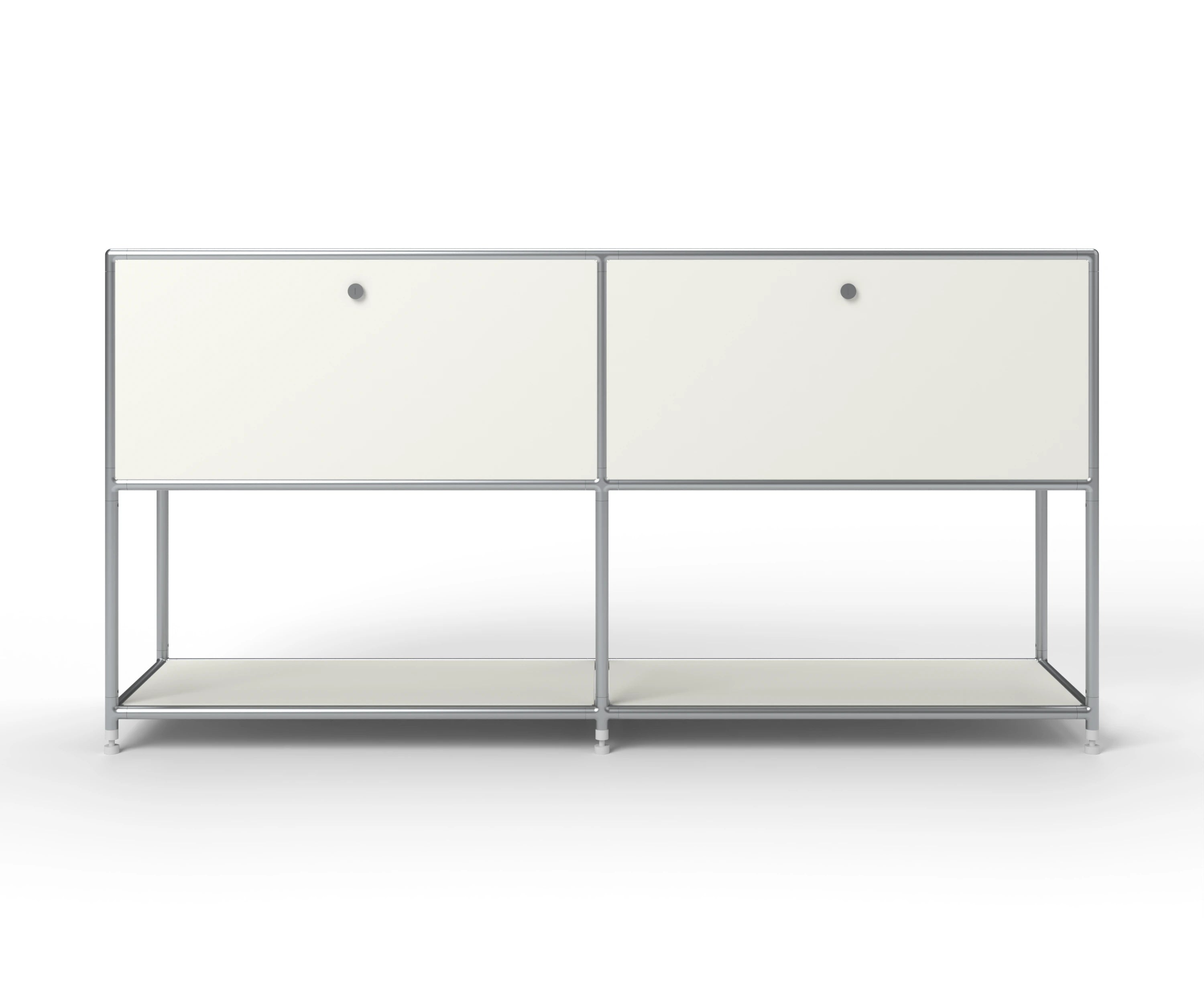
- Panels and surface finish
- Underlying construction
- Frame and connections
- Hardware and care instructions
2. Compare the appearance in your existing room
Look at grain, color, sheen, and construction, then consider their relationship to the furniture and belongings you already have.
If you enjoy wood grain, notice its direction, color variation, and relationship to your floor or dining table. Wood cabinets may also have painted finishes, so check the details of the particular piece.
For a metal cabinet, look at whether the frame is exposed, how it meets the panels, and whether the surface is matte or more reflective. Different colors and finishes can change how a piece feels in a room.
Your furniture doesn’t all need to use the same material. You can compare a metal cabinet alongside an existing wood dining table, or consider a wood cabinet with your lighting, textiles, and other belongings.
See the piece or a material sample when possible. When choosing from photographs, look at both room views and close-up details. A single styled image may not convey the actual grain, sheen, or feel.
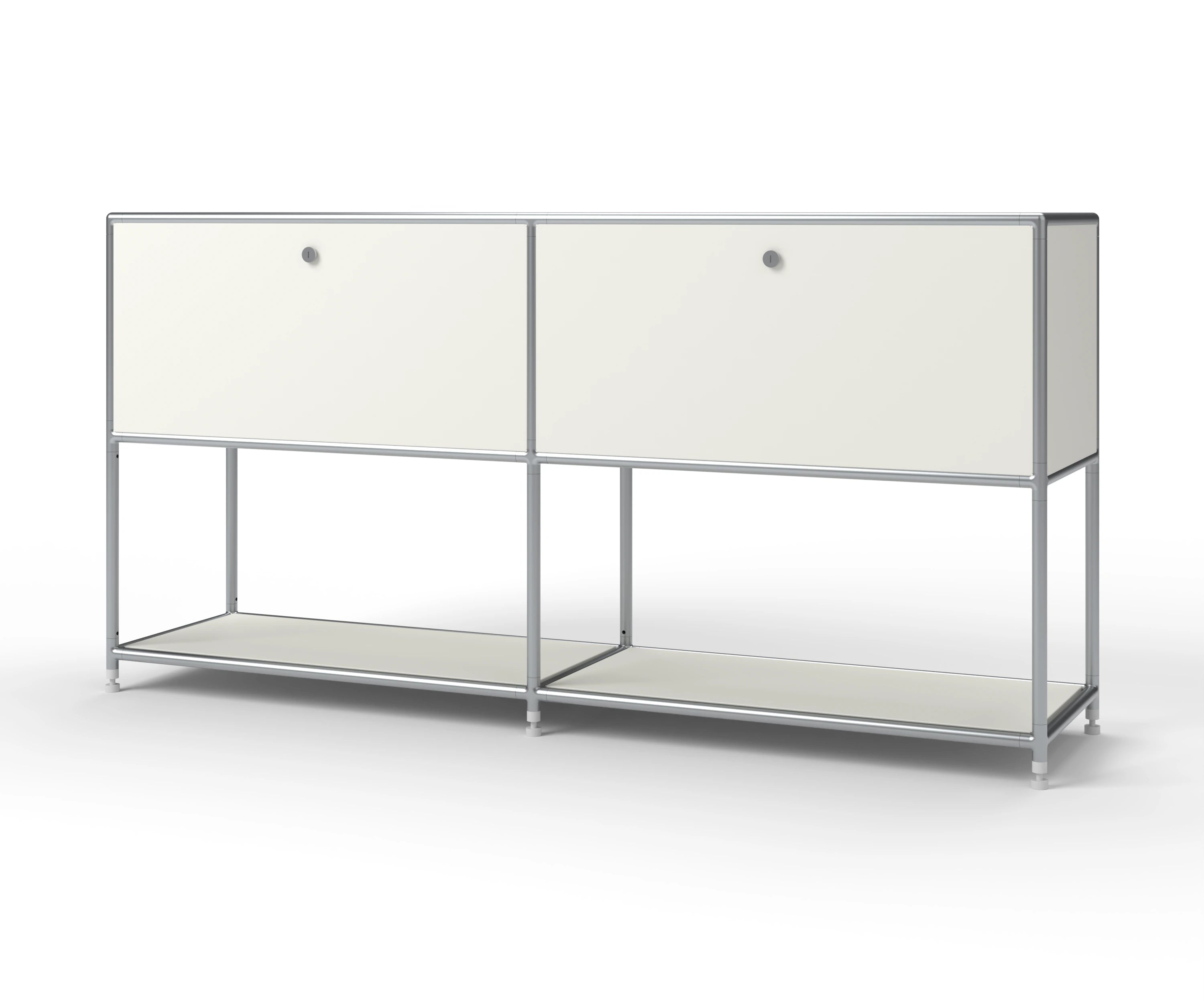
3. Compare moisture and cleaning requirements
Both types need care suited to their materials and finishes. The material name alone won’t establish water resistance or ease of maintenance.
Wood exchanges moisture with its surroundings, and solid wood can change dimensions as its moisture content changes. The effects depend on the species, construction, processing, and environment. Oregon State University’s explanation of wood and moisture provides background on this relationship.
For veneered and engineered-panel surfaces, also check edges, joints, and the instructions for handling spills and stains.
Metal surfaces have care requirements, too. For example, Room & Board’s guidance for its powder-coat finish calls for prompt spill cleanup and avoiding abrasive cleaners, solvents, and strong detergents. These are instructions for a particular finish, rather than a care rule for every metal cabinet. Room & Board’s powder-coat care guidance
If you plan to place drinks, vases, or plants on top, check whether coasters, trays, or other protection are recommended and how to handle residual moisture.
Read the care instructions before choosing. Consider whether that routine fits the way you use your home.
4. Check construction and load capacity
Long-term suitability depends on materials, construction, connections, hardware, finish, and maintenance. Load capacity should come from the specific product information.
If you plan to store heavy dishes, books, or a collection, check the rated capacity of shelves and the top, along with any instructions for distributing weight. Matching exterior dimensions do not establish matching load capacities.
For frequently used doors or drawers, review the hinges, slides, and handles. Try them in person when possible. Smoothness, opening sound, and the experience of reaching inside are all things you can compare.
Ask what happens if a surface is damaged or an individual component needs attention. Repair options vary by construction and should be confirmed for the particular product.
These details provide a more useful basis for comparison than assuming either metal or solid wood will always last longer.
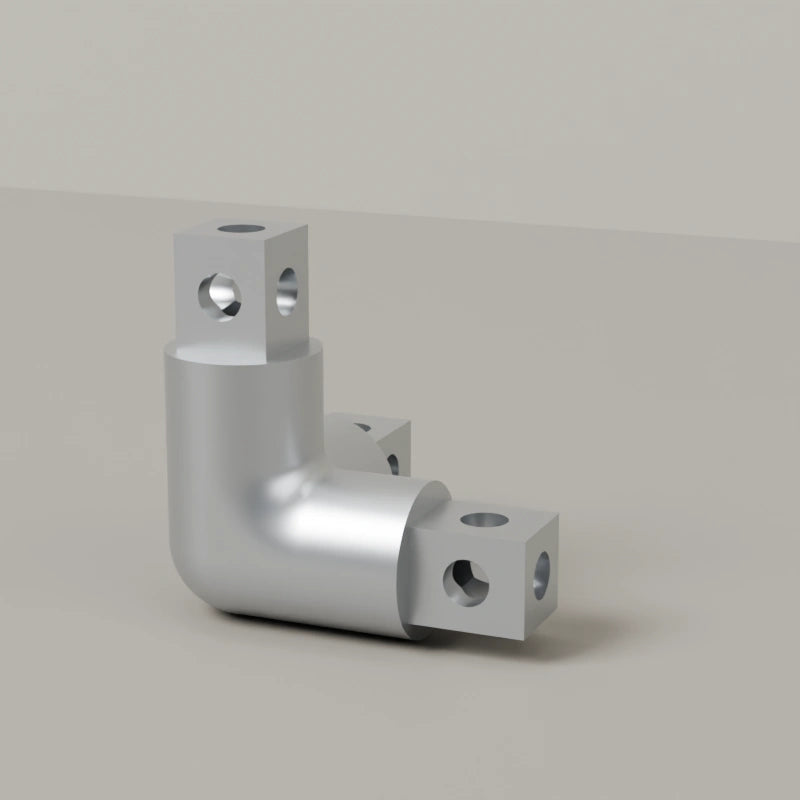
Inspect the connection detail
A closer look at the corner, joints and surface finish.
5. Compare actual cabinets around your routine
Identify your most important needs, then compare two specific products against the same questions.
| What matters to you | What to compare |
|---|---|
| Everyday storage for dishes or books | Usable interior dimensions, shelf load limits, and access |
| Drinks or plants on the top | Surface care, protection, and spill instructions |
| Frequent door or drawer use | Opening clearance, hardware, and operation |
| Wood grain or a solid-color surface | Actual texture, color, sheen, and relationship to your room |
| A possible move or change of location | Finished weight, handling instructions, and supported disassembly |
| Local repairs or maintenance | Parts availability, repair methods, and associated costs |
Dimensions and storage layout still need to work. A material you enjoy should also come in a piece that fits the space and makes your belongings easy to reach.
Then consider the price alongside those details: what is included, how clearly workmanship and service are explained, and what maintenance costs might arise later.
6. Why Foundation Living begins with metal storage furniture
Metal frames, panels, and connections are parts of the design that Foundation Living wants to make visible and considered.
We enjoy seeing how a piece is constructed. We spend time comparing the proportions between frame and panel, the colors, and the connection details. Those decisions form the starting point for our design approach.
For each product, materials, dimensions, construction, and use requirements still need to be explained clearly. Refer to the individual product information for confirmed functions and performance.
You can choose this approach because it appeals to you, or consider it alongside wood furniture you already own. The decision can come from how the room feels and the things you take out and put away each day.
Frequently asked questions
Are metal cabinets always more scratch-resistant than wood cabinets?
No. Surface treatment, coatings or finishes, contact with other objects, and use all affect how a surface performs. Look for product-specific information or relevant test evidence when scratch resistance matters to your decision.
Can a metal cabinet rust?
Check the base material, surface protection, and intended environment. A cabinet may contain steel, aluminum, and different hardware, so a single answer won’t apply to every part. Some metal finishes need particular attention after their protective surface is damaged. Follow the manufacturer’s instructions for that material and finish. .mdd’s metal surface care guidance gives examples of these distinctions.
Should I always choose solid wood over veneer?
Compare the intended use, construction, finish, and budget first. Solid wood and veneer describe different uses of material; neither description alone establishes the quality of the whole cabinet. For veneer, ask about the underlying core and the construction of each part.
Which type is easier to move?
Check the finished weight, package dimensions, supported disassembly, and handling instructions. Both metal and wood cabinets come in different constructions, so material alone won’t tell you how heavy or manageable a piece will be.
At Foundation Living, we want to explain why we choose a material and give you the information needed to make your own judgment.
Consider the grain, color, and construction you enjoy alongside the way you will use the piece, then decide what belongs at home.
Explore Foundation Living cabinet materials, dimensions, and storage layouts, and compare them with your everyday needs.
Check materials on the actual product
The White Sideboard with Open Bottom Shelf and the Black Storage Cabinet with Three Stacked Doors use steel panels with an aluminum frame. Compare the current product details, surface care, dimensions and delivery terms; this material description does not establish a load rating or scratch-resistance test.
Storage access matters alongside material. Read open shelves vs. closed cabinets to compare the layouts.